


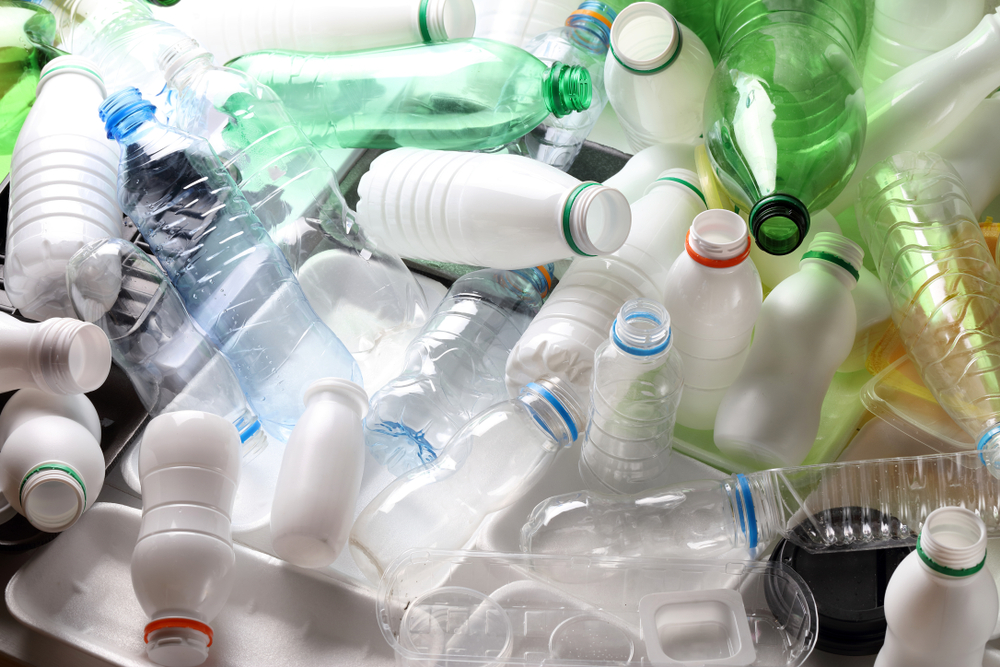
Businesses have faced a new Plastic Packaging Tax (PPT) since April 2022, which affects plastic packaging manufactured in or imported into the UK, which does not contain at least 30 per cent recycled plastic.
This measure will affect many businesses that use plastic packaging to protect and secure their goods, with those affected liable to tax of £200 per metric tonne of plastic.
The PPT is a behavioural tax intended to change the way manufacturers and importers behave. It does this by providing a financial incentive for businesses to develop and use recycled plastic or other forms of packaging in their production processes.
What type of packaging is affected?
PPT becomes due if a chargeable plastic packaging component is produced in the UK by a person acting in the course of a business, or if it is imported into the UK for the same purpose.
This charge applies to ‘finished’ products’, which are clearly defined as a product that is:
“Designed to be suitable for use, whether alone or in combination with other products, in the containment, protection, handling, delivery or presentation of goods at any stage in the supply chain of the goods, from the producer of the goods to the consumer or user.”
Many common single-use packaging products for use by a consumer fall within the scope of the PPT, such as plastic bags, bin liners, nappy sacks and disposable cups.
However, plastic packaging also covers many items not typically seen as packaging, including reusable items such as crates made of plastics and intermediate bulk containers (IBCs) used to transport goods.
However, PPT is not charged on plastic packaging that is designed to be used during the presentation of goods, as long as the packaging is readily reusable. Other examples include plastic packaging that is integral to the product, eg inhalers and print cartridges.
The wide definition within the legislation and the fact that it incorporates both single-use and some reusable packaging products mean that many businesses may be unwittingly caught out by this new tax.
How does the content of the plastic change the tax?
This new tax is charged based on the plastic used and those packaging products that contain at least 30 per cent recycled plastic are exempt.
However, to confuse matters, importers and manufacturers will need to consider each component of their packaging separately, even if they form a single product.
Packaging that contains multiple materials but contains more plastic by weight than any other single substance will be considered a plastic packaging component for the purposes of the tax.
The producer or importer of the packaging is responsible for proving to HMRC that the packaging components used in their operation containing plastic are not subject to the tax by demonstrating that the component meets these strict criteria.
HMRC have already issued guidance on when packaging is considered plastic and what is deemed to constitute recycled plastic, which can be found here.
Are any packaging components exempt from the Plastic Packaging Tax?
HMRC has confirmed that four categories of packaging components are exempt from the tax, including:
- Plastic packaging manufactured or imported for use in the immediate packaging of a human medicinal product.
- Transport packaging used on imported goods.
- Packaging used as aircraft, ship, and rail stores.
- Components that are permanently designated or set aside for use other than packaging use.
There is also a deferral of liability to PPT if the product is exported and meets the direct export condition.
The packaging on products that meet this condition can defer payment of the tax for up to 12 months.
Registering for the Plastic Packaging Tax
If you are a producer or importer handling 10 or more tonnes of plastic packaging over a 12-month period you have an obligation to register for PPT.
Even if you mainly deal with exempt plastics, you must still factor this in to your total use of plastic packaging when determining if you should register for PPT.
There is a look forward as well as a look-backwards test. Registration is required if:
- At any time after 1 April 2022, a business expects to import or manufacture at least 10 tonnes of plastic packaging in the following 30 days. In that case, registration is required within 30 days of the first day that this condition is met: or
- A business has manufactured or imported at least 10 tonnes of plastic packaging in 12 months ending on the last day of a calendar month.
In the latter case, the business becomes liable for PPT from the first day of the next month and must register by the first day of the subsequent month.
If either of these conditions is satisfied, registration is required even if a business’ packaging is not chargeable, and it does not have to pay any tax. Businesses registered for PPT must also complete and submit quarterly returns.
If you require advice on how PPT may affect you or your business, please speak to us.
